
Find a comfortable starting point
Choose one skill, try one example, and make room to change your mind.
Start with something familiar
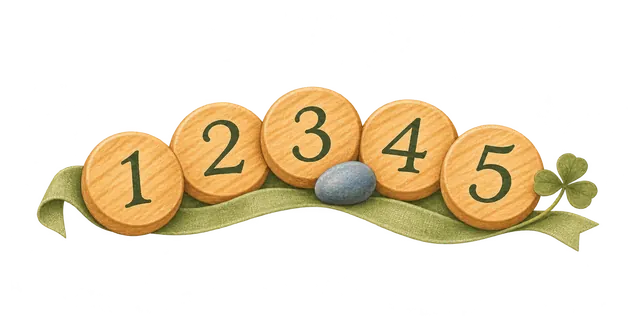
Invite your child to choose between two activities: “Would you like numbers or words today?” Offer an example you can show with objects. For Number Match, put three counters on the table and point to each one as you count. The first choice does not have to be the most challenging one.
Use the level preview
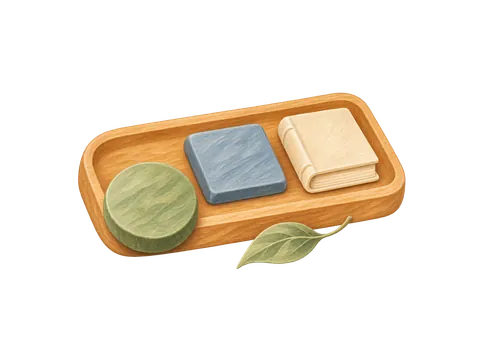
Gentle, Steady, and Stretch describe different versions of an activity. They are not ages, grades, or labels for your child. Look at the preview: a larger number range, longer words, or more steps may change the task. Start with a version your child can approach with a little support. Two Stones has five rounds rather than three levels.
Try one example together
Show the action once, then offer a turn. If your child is unsure how to select or move something, explain the control before judging the answer. You can use Show me, choose another level, or stop. A practice session is not a test, and finishing every round is optional.
Make the next choice small
If the activity feels comfortable, offer another example or stop there. If it feels confusing, use fewer objects or return to a familiar task. Avoid changing the activity, level, sound, and instructions all at once: choose one adjustment you can observe. A teacher can help you connect home practice with what your child is learning at school.
Continue on paper
Numbers you can touchSources and further reading
MindFluent’s examples and printables are original materials. Links provide background or further reading; these organizations have not reviewed or endorsed MindFluent.